
kim@leonmobility.com
+86-15150222860

Maintaining the correct Citycoco tire pressure is essential for riding safety, battery range, handling, comfort, and tire lifespan. Unlike conventional electric scooters, Citycoco scooters feature wider tires, heavier frames, and relatively powerful motors, making proper tire inflation particularly important.
So, what is the best tire pressure for a Citycoco scooter?
Some AT 18×9.50-8 Citycoco off-road tires are marked with an operating pressure of 10–14 PSI (0.69–0.97 bar). However, street-pattern tires and other fat tire models may require different inflation pressures.
There is no universal tire pressure suitable for every Citycoco scooter. The correct pressure depends on the tire construction, vehicle weight, load capacity, and manufacturer's specifications.
In this guide, we use actual Citycoco tire specifications to explain how to determine the correct tire pressure, avoid common inflation mistakes, and maintain your electric scooter tires for better long-term performance.
Citycoco electric scooters are commonly equipped with wide tires that provide stability, traction, and riding comfort. However, their inflation requirements can differ significantly from those of conventional motorcycles and narrow-tire electric scooters.
Common Citycoco tire sizes include:
· 18×9.50-8
· 18×8.50-8
· 240/50-8
· 225/55-8
· 215/40-12
Even tires with similar dimensions may have different operating pressures due to differences in carcass construction, load ratings, and intended applications.
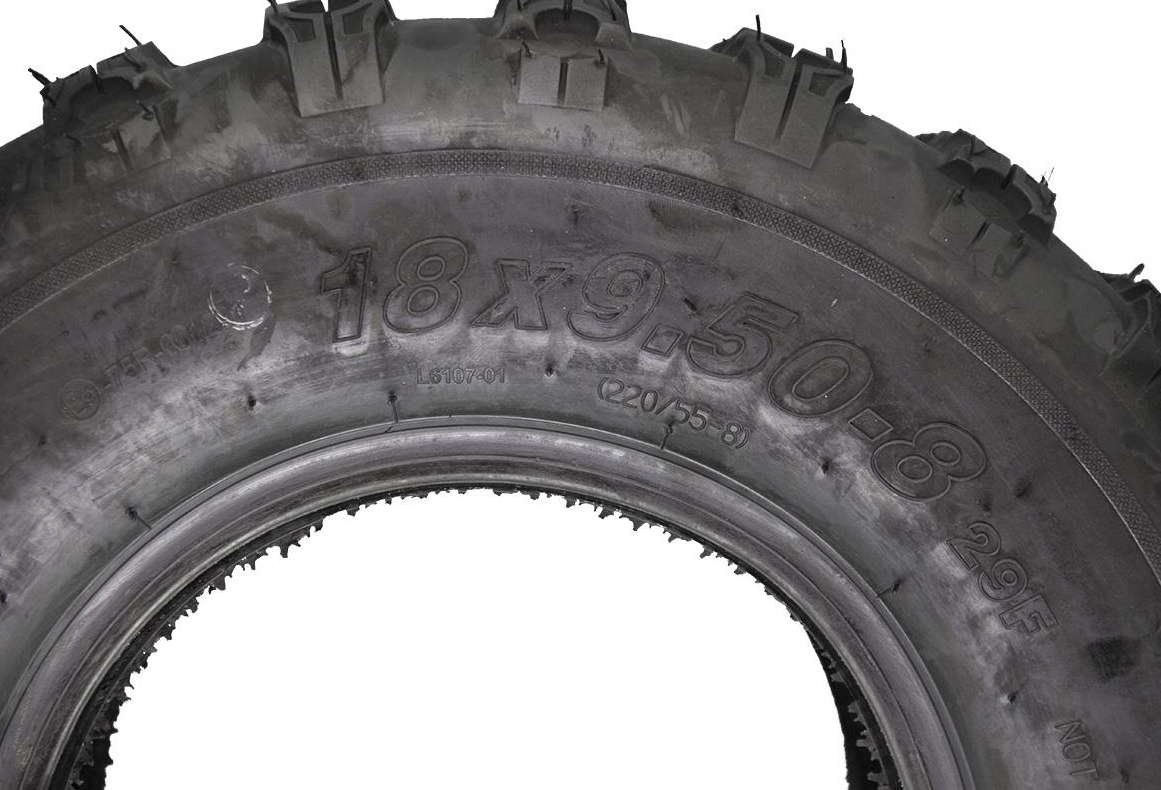
The following specifications are taken from an actual off-road fat tire photographed by Leon Mobility.
|
Specification |
Manufacturer Marking |
|
Tire size |
AT 18×9.50-8 |
|
Metric size |
240/50-8 |
|
Tire type |
Tubeless |
|
Ply rating |
4PR |
|
Construction material |
Nylon |
|
Load and speed designation |
29F |
|
Operating pressure |
10–14 PSI |
|
Operating pressure in bar |
0.69–0.97 bar |
|
Operating pressure in kPa |
69–97 kPa |
|
Maximum bead seating pressure |
24 PSI (1.65 bar) |
|
Service designation |
NHS – Not for Highway Service |
The tire sidewall displays two important pressure specifications:
10–14 PSI OPERATING PRESSURE
24 PSI MAX. TO SEAT BEADS
These markings refer to different conditions.
The 10–14 PSI range specifies the operating pressure for this particular tire, while 24 PSI refers to the maximum pressure permitted for seating the tire beads during installation.
The bead seating pressure must not be confused with the recommended riding pressure.
This example demonstrates why inflating certain Citycoco fat tires to conventional motorcycle tire pressures of 30–40 PSI can be inappropriate and potentially dangerous.
The NHS marking also indicates that this particular tire is not intended for highway service. Always select tires suitable for your scooter, intended riding conditions, and applicable road regulations.
Citycoco scooters may use different tire designs depending on their intended applications.
|
Feature |
Off-Road Fat Tire |
Street-Pattern Fat Tire |
|
Example tire size |
AT 18×9.50-8 |
225/55-8 |
|
Metric size |
240/50-8 |
225/55-8 |
|
Tread pattern |
Aggressive, deep tread blocks |
Road-oriented tread pattern |
|
Intended application |
Suitable off-road terrain |
Road-oriented applications, subject to approval |
|
Tire construction |
Model-specific |
Model-specific |
|
Operating pressure |
10–14 PSI for the photographed example |
Follow the specific manufacturer's specifications |
|
Main characteristics |
Traction on loose surfaces |
Road handling and rolling efficiency |
Although these tires may have similar overall dimensions, their tread design, sidewall construction, load ratings, and inflation requirements may differ.
Never assume that all Citycoco tires require the same pressure simply because they fit the same wheel size.
Tire manufacturers and pressure gauges may use different pressure units. PSI is commonly used in North America, while bar and kPa are frequently used in European and international markets.
The following conversion chart helps you understand Citycoco tire pressure markings.
|
PSI |
Bar |
kPa |
|
10 |
0.69 |
69 |
|
12 |
0.83 |
83 |
|
14 |
0.97 |
97 |
|
15 |
1.03 |
103 |
|
18 |
1.24 |
124 |
|
20 |
1.38 |
138 |
|
24 |
1.65 |
165 |
|
25 |
1.72 |
172 |
|
30 |
2.07 |
207 |
|
35 |
2.41 |
241 |
|
40 |
2.76 |
276 |
Pressure conversion formulas:
1 bar = approximately 14.5 PSI
1 bar = 100 kPa
1 PSI = approximately 6.895 kPa
For example, a Citycoco tire marked with an operating pressure of 10–14 PSI should operate within approximately 0.69–0.97 bar, provided the tire is suitable for the vehicle and its intended load.
This chart is for pressure conversion only. It does not represent a recommended pressure range for every electric scooter tire.
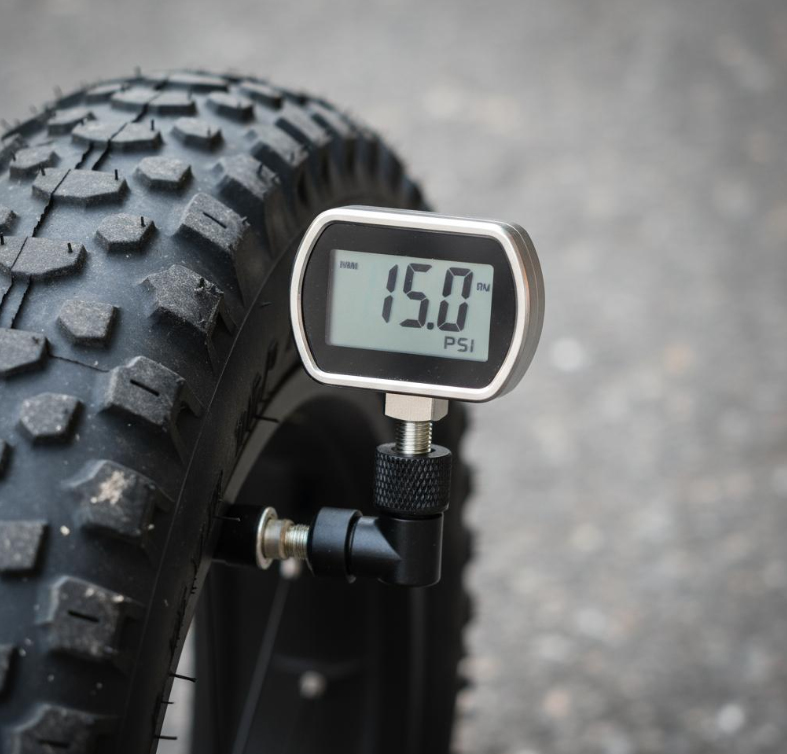
Citycoco fat tires are designed to support the combined weight of the scooter, battery, motor, rider, and any permitted additional load.
Maintaining proper tire pressure offers several important benefits.
Underinflated tires deform more during rotation, increasing rolling resistance.
The electric motor must consume more energy to overcome this resistance, which can reduce riding range and increase battery energy consumption.
Maintaining the recommended tire pressure helps reduce unnecessary rolling resistance and improve overall energy efficiency.
Wide tires contribute to Citycoco riding comfort by absorbing some road vibrations and minor surface irregularities.
Excessive inflation can make the scooter feel rigid and uncomfortable, particularly on uneven roads.
Correct inflation allows the tire to perform as intended.
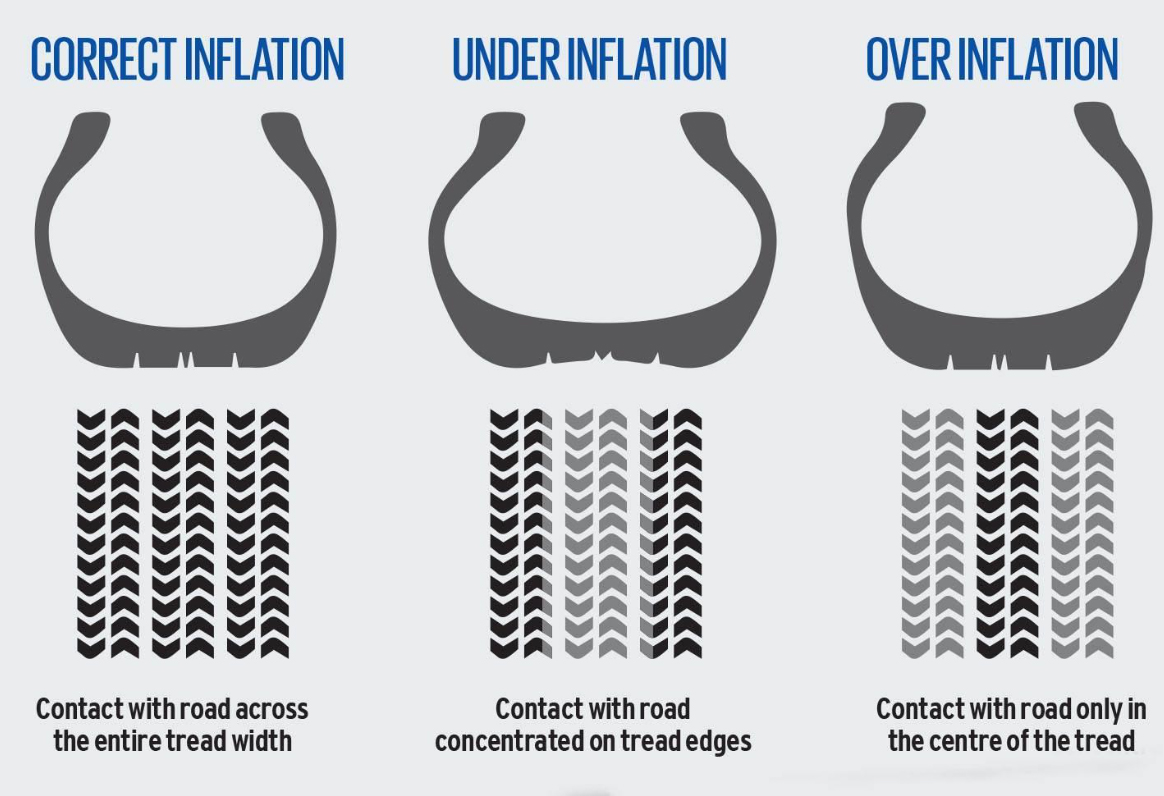
Proper tire pressure helps maintain the intended tire profile and contact patch.
Incorrect pressure can affect steering response, cornering stability, traction, and braking performance.
This is particularly important for heavier electric scooters equipped with powerful motors.
Both underinflation and overinflation may contribute to uneven tread wear and premature tire damage.
Regular pressure checks can help extend tire service life and reduce unnecessary maintenance costs.
Incorrect tire pressure affects more than riding comfort. It can also influence energy consumption, tire durability, and vehicle safety.
|
Condition |
Underinflated Tire |
Overinflated Tire |
|
Riding comfort |
Unstable or excessively soft |
Hard and uncomfortable |
|
Steering response |
Heavy or slow |
May feel harsh or unpredictable |
|
Rolling resistance |
Generally increased |
May decrease, but not necessarily improve overall performance |
|
Battery range |
May decrease |
Should not be increased through excessive inflation |
|
Tire wear |
Increased deformation and uneven wear |
Potentially uneven tread wear |
|
Impact resistance |
Increased risk of rim and tire damage |
Reduced ability to absorb road impacts |
|
Safety |
Excessive heat and structural damage risk |
Increased stress and potential handling problems |
Common warning signs include:
· Sluggish acceleration
· Reduced riding range
· Heavy or unusual steering
· Excessive tire deformation
· Increased tire temperature
· Unusual vibration or handling
A severely underinflated tire may experience excessive sidewall flexing, heat buildup, and structural damage.
Overinflated tires may cause:
· A harsh or bumpy ride
· Reduced ability to absorb road irregularities
· Changes in traction and handling
· Uneven tread wear
· Greater susceptibility to certain impact-related damage
Using excessive tire pressure to improve battery range is not recommended.
The objective is to maintain the correct operating pressure, not the highest possible pressure.
Some Citycoco scooters require different front and rear tire pressures, while others use the same pressure for both wheels.
Many Citycoco scooters feature a rear hub motor, and the rear wheel may support a significant portion of the vehicle and rider weight.
However, this does not automatically mean the rear tire must always have higher pressure.
Recommended front and rear tire pressures depend on:
· Vehicle weight distribution
· Battery and motor positioning
· Front and rear tire specifications
· Suspension design
· Rider weight
· Passenger or cargo load
Always follow the vehicle manufacturer's recommended front and rear cold inflation pressures.
If your Citycoco scooter is approved for passenger riding, use the manufacturer's specified loaded pressure settings.
Do not arbitrarily increase tire pressure or exceed the rated load capacity of the vehicle, tires, or wheels.
Citycoco scooters may use either tubeless tires or tires with inner tubes.
Tubeless tires create an airtight seal between the tire bead and wheel rim without requiring a separate inner tube.
Potential advantages include:
· Slower air loss in certain small punctures
· Elimination of inner-tube pinch flats
· Convenient maintenance with compatible wheel designs
· Suitability for many modern electric scooter applications
However, tubeless tires can still lose air through punctures, damaged valves, poor bead sealing, or damaged wheel rims.
Tubed tires use a separate inner tube to hold air.
Correct inflation helps prevent excessive deformation, inner-tube damage, and pinch flats.
There is no universal rule that tubed tires require lower pressure than tubeless tires.
The appropriate inflation pressure depends on the complete tire and wheel assembly, vehicle load, and manufacturer's specifications.
Ambient temperature affects the air pressure inside pneumatic tires.
When temperatures decrease, tire pressure naturally drops.
Underinflated tires during winter may increase rolling resistance and contribute to reduced electric scooter range.
During colder months:
· Check tire pressure more frequently.
· Measure pressure before riding.
· Restore the tires to their recommended cold inflation pressure.
· Inspect the tires for cracks and damage.
There is no need to automatically add a fixed amount of pressure simply because the weather is cold.
Tire pressure naturally increases as temperatures rise and the tires warm up during riding.
This is normal.
Do not release air from hot tires simply because their pressure is higher than the recommended cold inflation value.
Allow the tires to cool before checking and adjusting the pressure.
The manufacturer's recommended cold tire pressure remains the primary reference throughout the year.
Checking Citycoco tire pressure is a simple maintenance procedure that requires an accurate pressure gauge and a compatible air pump.
Because some Citycoco fat tires operate at relatively low pressures, a low-pressure gauge with suitable measurement accuracy is particularly useful.
Measure tire pressure before riding or after the scooter has been parked for at least three hours.
Recently used tires may be warmer and show a higher pressure reading.
Identify the tire size and manufacturer markings on the sidewall.
Consult the scooter owner's manual or contact the vehicle supplier to confirm the appropriate operating pressure.
Pay particular attention to the difference between operating pressure, rated load pressure, and bead seating pressure.
Locate the tire valve and remove the valve cap.
Inspect the valve for damage, cracking, or contamination.
Attach the pressure gauge securely to the valve.
Read the pressure in PSI, bar, or kPa.
Adjust the tire pressure in small increments.
Low-pressure fat tires can be sensitive to excessive inflation, so avoid adding large amounts of air at once.
Recheck the pressure after each adjustment.
Repeat the process for the front and rear wheels.
Reinstall the valve caps to help protect the valves from dirt, moisture, and debris.
For regularly used Citycoco scooters, checking tire pressure at least once a week and before longer journeys is a good maintenance habit.
Understanding tire sidewall markings is essential when purchasing replacement Citycoco tires or checking inflation requirements.
Common tire markings include:
|
Sidewall Marking |
Meaning |
|
18×9.50-8 |
Nominal tire dimensions and rim diameter |
|
240/50-8 |
Metric tire size designation |
|
225/55-8 |
Metric tire size designation |
|
TUBELESS |
Designed for a compatible tubeless wheel assembly |
|
4PR |
Ply rating designation |
|
NYLON |
Tire construction material designation |
|
NHS |
Not for Highway Service |
|
OPERATING PRESSURE |
Specified tire operating pressure |
|
MAX. TO SEAT BEADS |
Maximum pressure for seating tire beads during installation |
For example, the tire designation 18×9.50-8 generally refers to:
· Approximately 18 inches in nominal overall tire diameter
· Approximately 9.5 inches in nominal tire width
· An 8-inch rim diameter
Actual dimensions may vary according to the tire manufacturer, rim width, and inflation conditions.
No.
A maximum inflation pressure, bead seating pressure, or pressure associated with a rated load should not automatically be treated as the normal riding pressure.
The operating pressure must be appropriate for the specific tire and vehicle configuration.
If the markings are unclear or the scooter's original tires have been replaced, contact the tire or vehicle supplier for guidance.
All pneumatic tires can gradually lose some air over time. However, repeated or rapid pressure loss may indicate a maintenance problem.
Common causes include:
|
Possible Cause |
Recommended Action |
|
Small tire puncture |
Have the tire professionally inspected |
|
Damaged valve stem |
Inspect and replace if necessary |
|
Loose or leaking valve core |
Have the valve checked |
|
Poor tubeless bead sealing |
Inspect the tire bead and wheel rim |
|
Damaged wheel rim |
Have the wheel professionally inspected |
|
Aging or cracked tire |
Assess whether replacement is required |
|
Damaged inner tube |
Inspect or replace the inner tube |
|
Temperature changes |
Recheck pressure under cold conditions |
If your Citycoco tire repeatedly loses pressure, simply adding air is not a permanent solution.
Identify and resolve the underlying problem before continuing normal use.
Proper tire maintenance can help improve riding safety, reduce maintenance costs, and extend tire service life.
Follow these practical recommendations:
· Check tire pressure at least once a week.
· Use an accurate pressure gauge suitable for low-pressure tires.
· Inspect the tread and sidewalls regularly.
· Avoid riding with severely underinflated tires.
· Do not exceed the applicable tire and wheel pressure limits.
· Avoid overloading the scooter.
· Check tires after hitting potholes or curbs.
· Keep tires away from prolonged exposure to excessive heat and direct sunlight when storing the scooter.
· Replace damaged valve stems and missing valve caps.
· Use compatible replacement tires and wheels.
You should also have your Citycoco tires inspected if you notice significant cracks, bulges, exposed cords, repeated air leakage, excessive tread wear, or abnormal vibration.
Stop riding if a tire shows signs of structural damage or cannot maintain safe operating pressure.
The correct PSI depends on the specific tire and scooter model. An actual AT 18×9.50-8 off-road tubeless tire photographed by Leon Mobility is marked with an operating pressure of 10–14 PSI (0.69–0.97 bar). Other Citycoco tires may require different pressures.
Some AT 18×9.50-8 off-road tires operate at 10–14 PSI. However, tires with the same nominal dimensions may have different constructions, load ratings, and operating requirements. Always check the exact tire model.
The correct inflation pressure depends on the specific tire manufacturer, construction, load rating, and scooter configuration. Do not automatically use the same pressure as an AT 18×9.50-8 off-road tire.
For certain low-pressure Citycoco fat tires, yes. For example, 30 PSI is significantly higher than the 10–14 PSI operating range marked on the photographed AT 18×9.50-8 off-road tire.
Always check the manufacturer's specifications before inflating.
One bar is approximately 14.5 PSI. This is slightly above the operating range of a tire marked 10–14 PSI. Other tire models may have different requirements.
It refers to the maximum inflation pressure permitted for seating the tire beads onto the wheel rim during installation.
It is not the recommended daily riding pressure. Tire installation should be performed by a qualified technician.
Yes. Underinflated tires generally increase rolling resistance, requiring the motor to consume more energy. Maintaining correct tire pressure helps improve riding efficiency and avoid unnecessary battery consumption.
Visual inspection may help identify severe underinflation or damage, but it cannot accurately determine tire pressure.
Wide tires can appear properly inflated even when their internal pressure is incorrect. Always use an accurate tire pressure gauge.
Check tire pressure at least once a week and before longer journeys. Add air only when the pressure falls below the appropriate operating specification.
Yes, provided the inflator is compatible with the valve and can accurately control pressure within the tire's specified operating range.
Some automotive inflators may be less accurate at low pressures, so a suitable low-pressure gauge is recommended for certain Citycoco fat tires.
The best tire pressure for a Citycoco scooter depends on the exact tire model, vehicle configuration, and riding load.
For example, the AT 18×9.50-8 off-road tubeless tire photographed by Leon Mobility specifies an operating pressure of 10–14 PSI (0.69–0.97 bar). However, this pressure range should not be applied to every Citycoco scooter or fat tire.
To maintain safe and efficient riding, always:
· Follow the manufacturer's recommended cold tire pressure.
· Check both tires regularly.
· Distinguish operating pressure from bead seating pressure.
· Avoid unnecessary underinflation and overinflation.
· Inspect tires for wear, damage, and air leakage.
Proper tire maintenance is one of the simplest and most effective ways to improve Citycoco riding comfort, battery efficiency, handling, and long-term reliability.
Leon Mobility supplies Citycoco electric scooters, Harley-style electric scooters, fat tire electric scooters, and replacement spare parts for international importers, wholesalers, and distributors.
Our product range includes:
· Citycoco electric scooters
· Off-road and street-pattern fat tires
· Electric scooter wheels and rims
· Hub motors and controllers
· Lithium batteries
· Brake systems and suspension components
· Other electric scooter spare parts
If you are looking for compatible Citycoco tires or wholesale electric scooter solutions, contact Leon Mobility with your vehicle model, tire size, and technical requirements.
Contact us today for product information, wholesale quotations, and suitable spare parts solutions.
Website: www.leonmobility.com
Name: kim Gong
Mobile:+86-15150222860
Tel:+86-15150222860
Whatsapp:8615150222860
Email:kim@leonmobility.com
Add:G1 Shazhou Lake industry park, Zhangjiagang High tech zone,Jiangsu Province, China